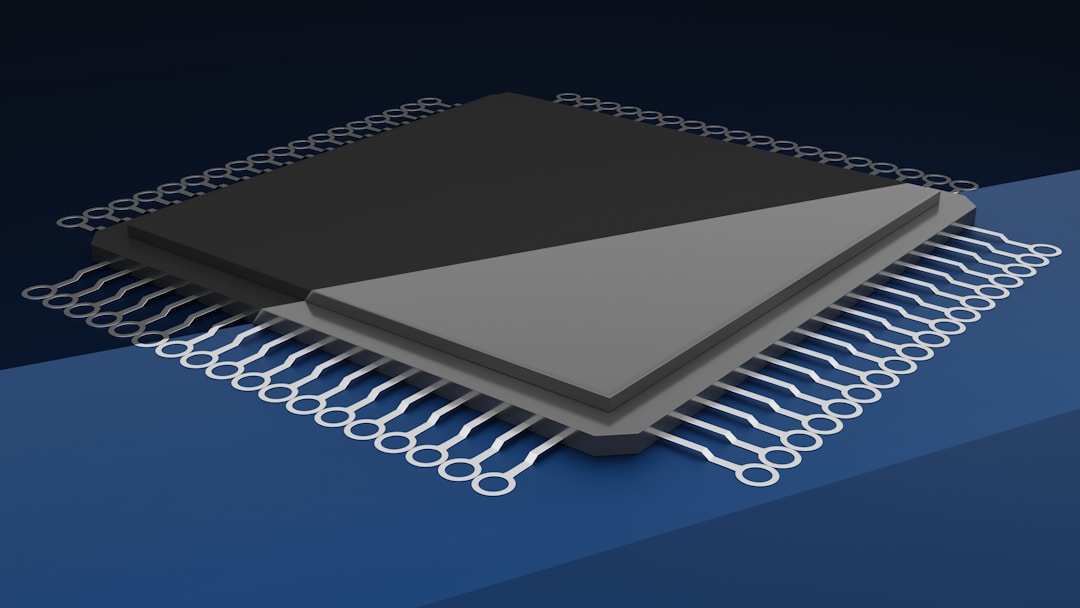
Although the Microprocessor provides our sensors with exceptional reliability, speed, and versatility it also delivers industry-leading Low Power consumption. This enables N.E.T. to offer a genuinely low power option for our 20mm series. Typically, sensors of this size (20mm diameter) lack integrated electronics, meaning signal processing must be carried out on a separate external board.
For the user, the advantages of having a microprocessor-based sensor are many:
• The sensor has a high-level interface, with a standardized, linear output. This eliminates the time and complexity required to deal with low-level signals and calculations.
• Communication with the sensor is bidirectional via digital protocols (Modbus and UART). The user can not only get readings, warnings and alarms but also change communication parameters and input updated calibration values.
• Fail-safe operation and dependability are enhanced by several self-checks routines and consistency controls continuously performed by the sensor. This allowed N.E.T. IR line to reach SIL2 Safety Integrity Level (read more about SIL).
• Faster response time, with our accelerator algorithm (T90<30s).
• Superior performances at high volumes of concentration, with the N.E.T. DYNAMIC RANGE TECHNOLOGY.
Applications-CheckUp
> SmartCity
> Agriculture 4.0
> Industrial Air Quality Monitoring
> HVAC
Applications-Technocomm-IoT
> Environmental Radiation
> Technocomm DSaaSSupport Centre
> Privacy Notice
> Sales Support/Ask for a Quotation
> Technical Support
Contact Us
> Telephone: +55 61 99554-8964
> Mail: info@gassensorsolutions.com
> Address: SQNW 102, Brasilia, Distrito Federal, 70683-055, Brasil