NT-H2S-PL100
Premium Line Toxic Gas Sensor
NT-NH3-PL1000
Premium Line Toxic Gas Sensor
NT-CL2-PL05
Premium Line Toxic Gas Sensor
IRNET-PRO 20mm
NDIR sensors for CO2 and CH4
IRNET-PRO 32mm
NDIR sensors for CO2 and CH4
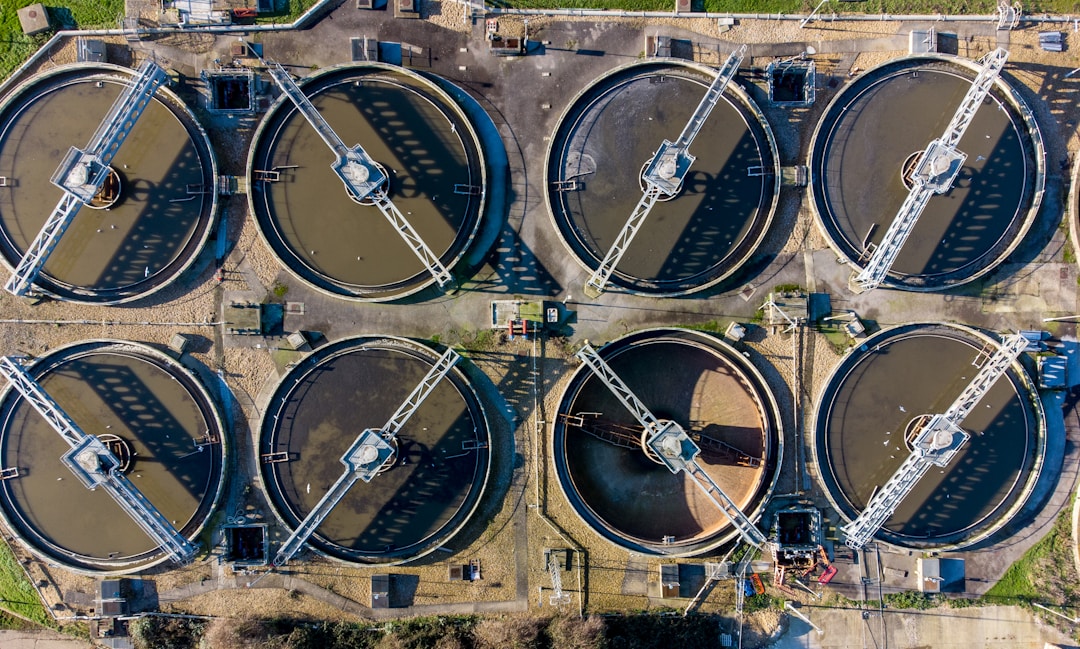
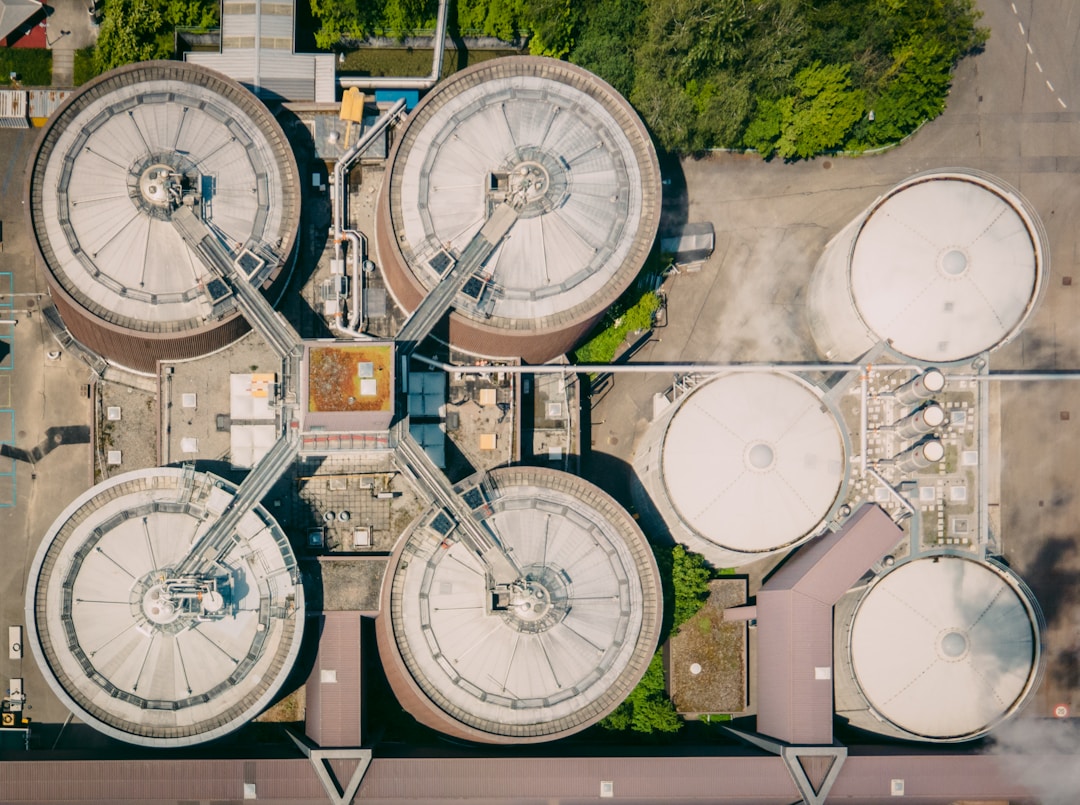
Following is a summary of the main gas hazards related to water treatment and the area of plants where these can occur.
• Hydrogen Sulphide (H2S) is extremely toxic. It has a notoriously distinctive odour at low concentrations (0.0047ppm). But as levels increase to over 150ppm, the human olfactory nerves are damaged, making it impossible to smell the gas even if it reaches the lethal concentration of 800ppm. H2S is both naturally present and produced in wastewater treatment. It is critical to monitor for H2S in sewers, sludge de-watering systems, anaerobic digesters, and wet/dry wells.
• Methane (CH4) is a highly flammable gas. In wastewater treatment it’s mostly produced during sludge decomposition. Monitoring of CH4 has to be ensured in raw sewage and sludge that enters de-watering systems, in anaerobic digesters, cogeneration facilities (where it is used to power the treatment facility) and wet/dry wells.
• Ammonia (NH3), Ozone (O3), and Chlorine (Cl2) are all toxic gases used in the decontamination stage of wastewater treatment and water purification plants. Gas detectors should be located near storage tanks and in process areas where they are employed.
• Carbon dioxide (CO2) displaces oxygen causing asphyxiation and affects respiratory capacity. In wastewater treatment it’s mostly produced during sludge decomposition and the production of Biogas. Monitoring of CO2 has to be ensured in raw sewage and sludge that enters de-watering systems, in anaerobic digesters, cogeneration facilities and wet/dry wells.

Applications-CheckUp
> SmartCity
> Agriculture 4.0
> Industrial Air Quality Monitoring
> HVAC
Applications-Technocomm-IoT
> Environmental Radiation
> Technocomm DSaaSSupport Centre
> Privacy Notice
> Sales Support/Ask for a Quotation
> Technical Support
Contact Us
> Telephone: +55 61 99554-8964
> Mail: info@gassensorsolutions.com
> Address: SQNW 102, Brasilia, Distrito Federal, 70683-055, Brasil