GAS DETECTION SOLUTIONS FOR MEDICAL LABORATORIES AND HOSPITALS

Modern medical laboratories and hospitals use a range of gases which can cause both immediate and long-term risks for patients, visitors and the staff. Medical gas detection systems aim at controlling insidious leaks of gases that often have no taste, colour or smell.

Gas Sensor Solutions's image

NDIR IRNET-PRO 32mm Sensors

For Carbon Dioxide (CO2)

Gas Sensor Solutions's image

Safety Line Oxygen (02) Sensors

Oxygen (O2) sensors including Lead (Pb) Free options

Gas Sensor Solutions's image

NDIR IREF-PRO Sensors

Specific Sulphur Hexafluoride (SF6) sensors

Gas Sensor Solutions's image

Premium Line ETO Sensors

Ethylene Oxide (ETO) and other sensor options
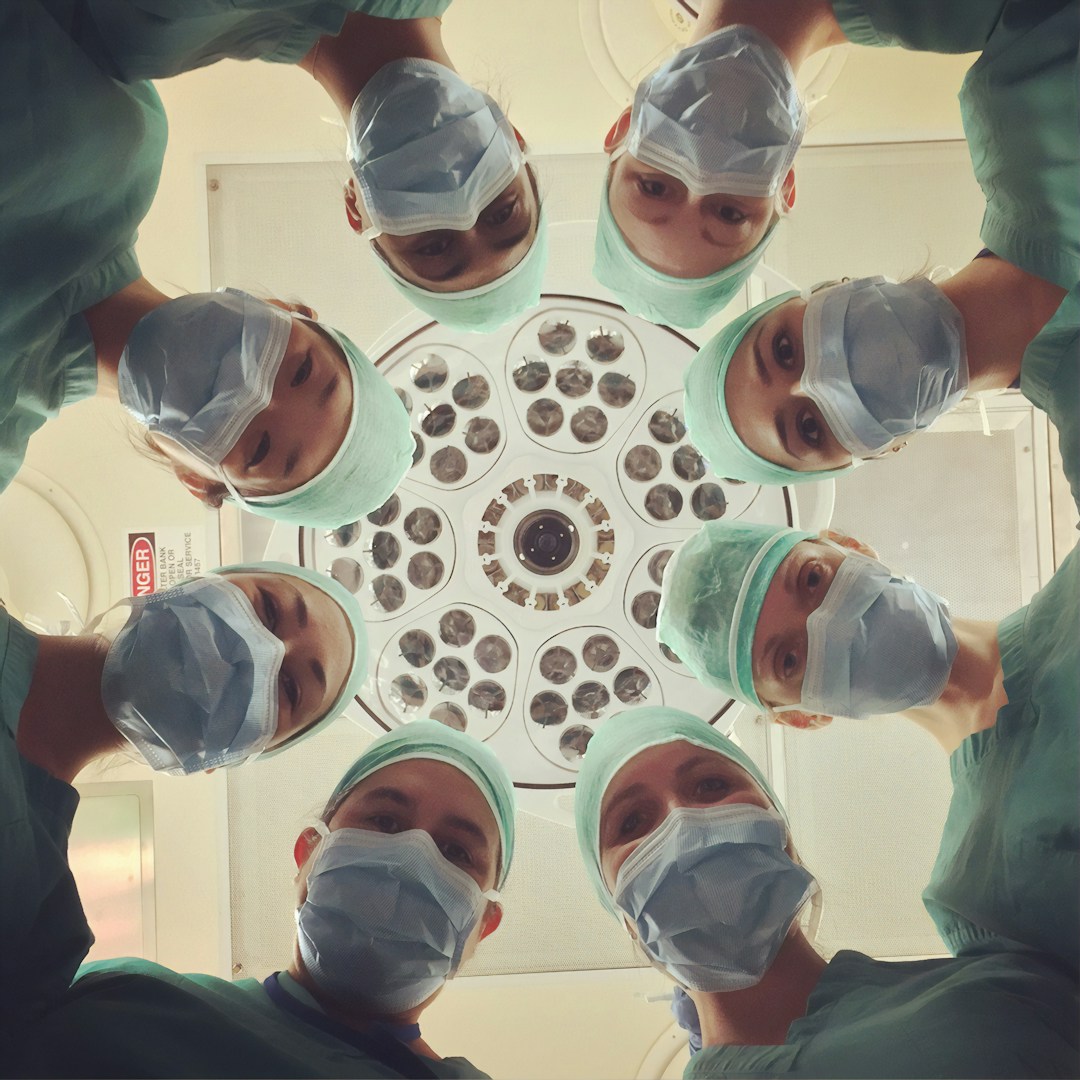
Medical laboratories and hospitals use a range of gases such as Enriched Oxygen (O2), Nitrous Oxide (N2O), Helium (He), Nitrogen (N2) and Carbon Dioxide (CO2).

Many gases used in hospitals and laboratories have no taste, colour or smell, which makes it hard to tell if there is a gas leak. A leak from a gas cylinder or fixed piped gas system can cause potentially fatal incidents.

Such gases are used for a wide range of procedures, often providing anesthesia for patients (N2O) or used as a freezing agent (N2). Patients on intensive care, with restricted lung function or during an operation under anesthetic, are in many hospitals treated with artificial ventilation with medical air and Oxygen. And during surgery the stomach of the patient is often filled with Carbon Dioxide to create space to examine the affected area.

Long-term exposure to anesthetic gases can cause chronic effects of the respiratory, cardiovascular, reproductive, and central nervous systems. It is therefore essential that the maximum acceptable exposure level across an eight-hour period (Time Weighted Average - TWA) is adhered to. Carbon Dioxide (CO2) is Toxic and also displaces oxygen, causing asphyxiation and affects respiratory capacity. And at increased Oxygen (O2) levels, the flammability of materials and other gases increases. At levels over 24% spontaneous combustion of items such as clothing may occur.

A gas detection system for medical laboratories and hospitals can stretch from the basement, where the gases are stored and produced, via a conduit system, to the corridors, to terminal units in operating rooms, intensive care areas, laboratories and treatment rooms.